Commercial Property Insurance in Texas
A single hail storm, fire, or break-in can disrupt business operations overnight. Commercial property insurance helps protect your building, inventory, equipment, and ongoing business income.
Quote Texas compares 65+ carriers to help you secure broad protection with pricing that fits your risk profile, location, and operations.
- 65+ insurance carriers
- Texas risk expertise
- Fast quote turnaround
What Does Commercial Property Insurance Cover?
Commercial property insurance protects physical assets your business owns, leases, or is responsible for.
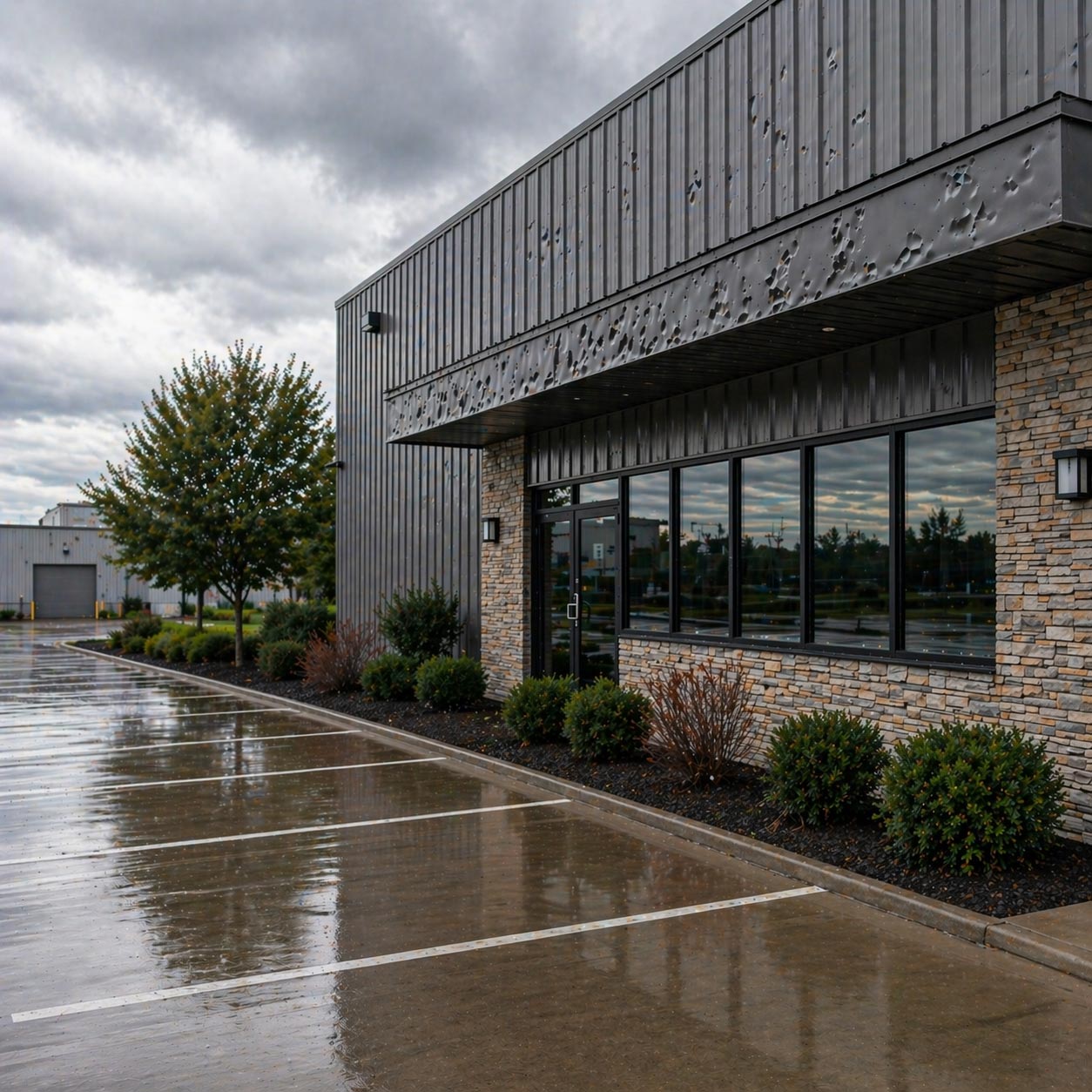
In Texas, a standard policy often responds to fire, lightning, windstorm or hail, theft, vandalism, smoke, and vehicle or aircraft impact.
Core coverage usually includes:
- Buildings and structures you own, including permanently installed fixtures like HVAC systems, plumbing, and electrical
- Equipment and machinery used in your business operations
- Inventory and stock, whether stored on-site or in transit
- Furniture and fixtures, including desks, shelving, display cases, and built-in cabinetry
- Outdoor property such as signage, fencing, landscaping, and parking lot structures
- Others' property in your care, including customer goods, leased equipment, or property you're storing
- Business income and extra expense, covering lost revenue and additional costs when your business must close temporarily due to a covered loss
- Tenant improvements, protecting upgrades you've made to a leased space that the landlord isn't responsible for
Critical note: Standard commercial property policies generally exclude flood. Flood coverage must be purchased separately through NFIP or private flood markets.
Fast simplifier: Start with building and contents limits first, then layer endorsements based on your location and operations.
Texas-Specific Property Risks Every Business Owner Should Know
Texas presents unique commercial property insurance challenges that businesses in other states do not face. Understanding these risks is critical so your coverage responds when losses happen.
Hail and Windstorm
Texas leads the nation in hail and windstorm claims. For inland businesses (Dallas-Fort Worth, Austin, San Antonio, and the I-35 corridor), standard commercial property policies usually include wind and hail. Most carriers in 2026 now use a 2% wind and hail deductible rather than a flat dollar amount. On a property insured for $500,000, you pay the first $10,000 of hail damage before insurance applies.
For businesses in the 14 coastal counties (Aransas, Brazoria, Calhoun, Cameron, Chambers, Galveston, Jefferson, Kenedy, Kleberg, Matagorda, Nueces, Refugio, San Patricio, Willacy, and parts of Harris County east of Highway 146), wind and hail are excluded from standard policies. These businesses typically need separate windstorm coverage through the Texas Windstorm Insurance Association (TWIA) or a private surplus lines carrier.
Flooding
Standard commercial property policies do not cover flood damage — and Texas has more flood claims than any other state. Flood coverage must be purchased separately through the National Flood Insurance Program (NFIP) or a private flood insurer. If your business is in a FEMA-designated flood zone, your lender likely requires it. Even outside designated zones, risk remains: about 25% of Texas flood claims come from properties outside high-risk areas.
Replacement Cost vs. Actual Cash Value
This distinction matters more in Texas than most states because of how frequently hail damages commercial roofs. Replacement cost coverage pays to repair or replace damaged property with new materials of similar quality. Actual cash value (ACV) deducts depreciation from the payout — meaning a 15-year-old roof destroyed by hail may only pay a fraction of replacement cost. Many 2026 Texas renewals auto-convert roofs from replacement cost to ACV, so review policy terms before storm season.
Need a commercial property insurance review in Texas? We compare deductibles, valuation methods, TWIA and flood options, and policy form details before binding. Call us at 844-402-4464 to speak with a commercial property specialist.
Policy Forms: Basic, Broad, and Special
Commercial property policies in Texas are available in three standard forms defined by the Texas Department of Insurance, with each offering a different level of protection:
Basic form (named perils): Covers only the perils specifically listed in the policy — typically fire, lightning, windstorm, hail, explosion, smoke, vandalism, sprinkler leakage, and vehicle or aircraft impact. If a cause of loss isn't named, it's not covered.
Broad form: Covers everything in the basic form plus additional perils like leaking appliances, structural collapse, falling objects, and weight of ice, sleet, or snow.
Special form (open perils): The most comprehensive option. Covers damage from all causes of loss except those specifically excluded (typically flood, earthquake, war, nuclear hazard, wear and tear, and insects). This is the form most Texas business owners should carry because it covers unexpected events that named-peril policies miss.
How Much Does Commercial Property Insurance Cost in Texas?
Premiums vary by construction, location, occupancy, protection class, and loss history. Typical monthly ranges:
Professional services firms, consultants, and tech companies with minimal physical inventory typically pay toward the lower end of this range.
Cost depends on inventory value, location, and security systems.
Kitchen equipment, grease fire hazards, and elevated liability risks push premiums higher for these businesses.
Heavy equipment, raw materials, and environmental liabilities typically result in the highest property insurance costs.
As an independent broker, Quote Texas is not locked into one carrier's pricing. We shop your property risk across 65+ insurance companies to find the most competitive rate for your specific building, location, and business type.
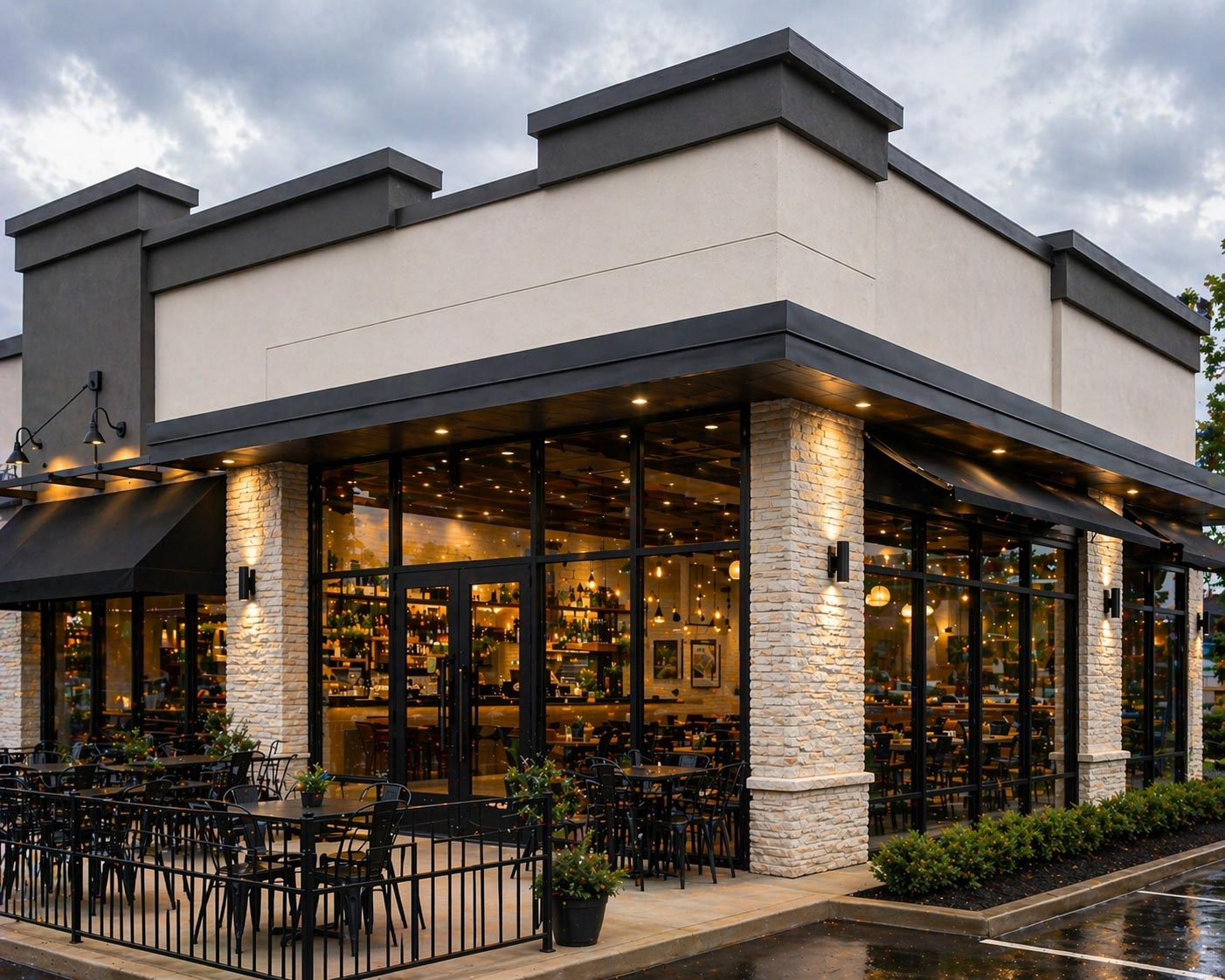
Coverage for Many Property Types
Quote Texas places commercial property insurance for a wide range of business types across Texas. Our carrier relationships include markets that specialize in:
- Professional offices (law firms, accounting, consulting, tech)
- Retail stores and storefronts
- Restaurants and food service
- Home-based businesses
- Landlord and rental properties
- Condominium associations
- Construction projects (builder's risk)
- Bonded properties
- Warehouses and distribution centers
- Churches and nonprofits
Whether you own a single storefront or a portfolio of rental properties, we can compare options across multiple insurers to find the right coverage. For liability protection, see our commercial general liability insurance page.
Trusted by Texas Businesses — Proven Results
Carrier partners
Texas businesses helped
Average customer rating
Serving Texas businesses

- 65+ carriers competing for your business. We aren't captive to one insurance company. We shop your property across dozens of markets to find the best combination of coverage and price.
- Coinsurance review built into every quote. We accurately value your property so you're never hit with a coinsurance penalty on a claim. Underinsuring is one of the most expensive mistakes a business owner can make.
- Wind, hail, and flood gap analysis. We identify whether your location requires separate windstorm (TWIA) or flood (NFIP) coverage and make sure there are no gaps between your standard policy and supplemental policies.
- Certificates of insurance on demand. Landlords, lenders, and contractors need proof of coverage fast. Our team issues COIs quickly so deals don't stall waiting on paperwork.
- Texas-based, Texas-focused. We understand DFW hail exposure, Gulf Coast windstorm exclusions, Hill Country wildfire risk, and Permian Basin industrial property needs. This isn't a nationwide call center.
Ready to compare property coverage options? Get a free quote today or call us at 844-402-4464 to speak with a commercial property specialist.
Frequently Asked Questions about Commercial Property Insurance in Texas
What does commercial property insurance cover in Texas?
How much does commercial property insurance cost in Texas?
Does commercial property insurance cover hail damage in Texas?
What is the difference between replacement cost and actual cash value?
Is commercial property insurance required in Texas?
Does commercial property insurance cover flooding in Texas?
What is a coinsurance clause in commercial property insurance?
Ready to Compare Commercial Property Quotes?
Get tailored options based on your building details, occupancy, and location from multiple carriers.